

As a supplier of UHMWPE Woven Fabric, I often get asked one key question: Can UHMWPE Woven Fabric resist abrasion? In this blog post, I will delve into the science behind UHMWPE Woven Fabric and its remarkable abrasion - resistance properties.
Understanding UHMWPE
Ultra - High - Molecular - Weight Polyethylene (UHMWPE) is a subset of the thermoplastic polyethylene. It is known for its extremely long chains, with a molecular weight usually between 3.5 and 7.5 million amu. These long chains provide exceptional strength and toughness. The polymer has a high degree of crystallinity, which contributes to its excellent physical and mechanical characteristics.
As a material, UHMWPE has gained different applications in various industries due to a wide range of properties. It has a very low coefficient of friction, high impact resistance, and is chemically inert. All these qualities make it an ideal choice for use in harsh and demanding environments.
The Nature of Woven Fabric
When it comes to textile structures, there are two main categories: woven and knitted. In a woven fabric, two sets of yarns - the warp (running lengthwise) and the weft (running crosswise) - are interlaced at right angles. This interlacing method gives woven fabrics greater stability and shape - retention compared to knitted fabrics.
Woven fabrics can be manufactured in different weaves, such as plain weave, twill weave, and satin weave, each of which offers distinct surface characteristics, strength, and flexibility. The choice of weave significantly impacts the overall performance of the final fabric, especially in terms of abrasion resistance.
UHMWPE Woven Fabric's Abrasion Resistance
One of the most outstanding features of UHMWPE Woven Fabric is its remarkable abrasion resistance. The high - strength molecular chains of UHMWPE provide a solid structure that can withstand repeated rubbing, scraping, and friction.
Molecular Structure: The long, entangled molecular chains of UHMWPE distribute the stress caused by abrasion across the entire material. When an abrasive force is applied, instead of the chains being easily broken, the energy is dissipated along the chain length. This allows the fabric to maintain its integrity even under continuous abrasion.
Woven Structure: The interlacing of yarns in the woven structure adds another layer of protection. When an abrasive object comes in contact with the fabric, the warp and weft yarns work together to resist the force. The continuous crossover of yarns creates a kind of buffer zone, preventing the abrading object from penetrating deeply into the fabric and causing damage.
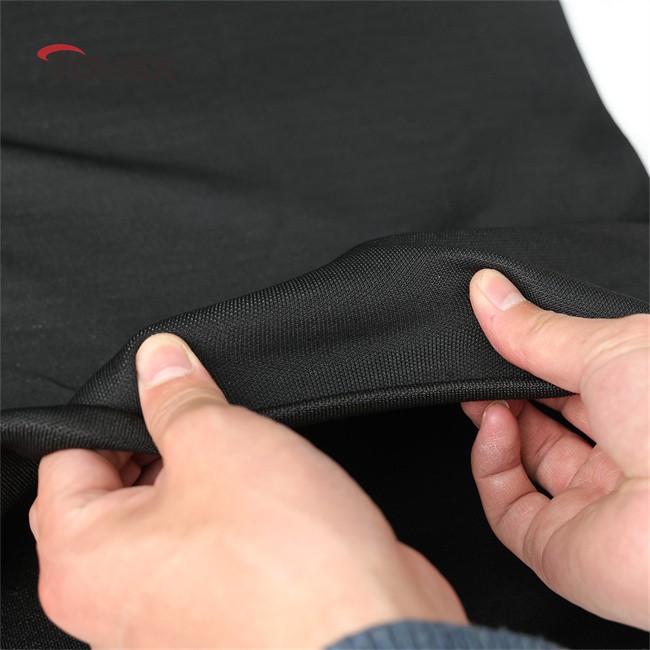
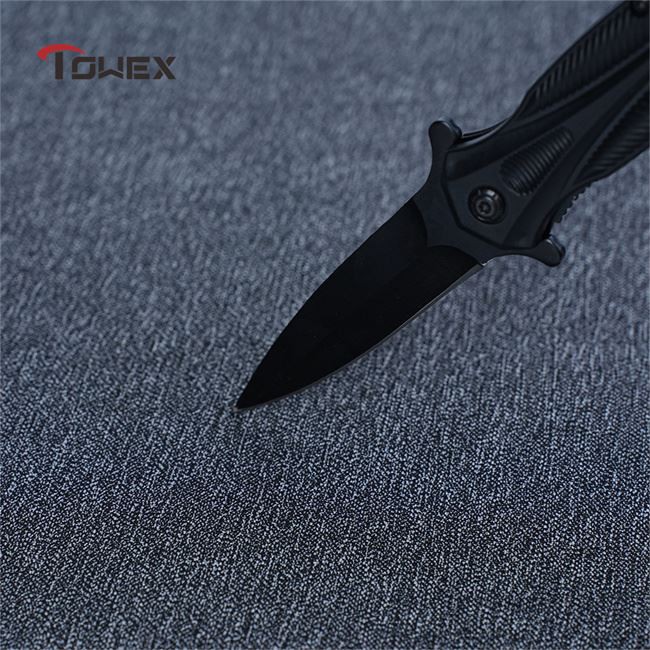
Surface Smoothness: Thanks to the low coefficient of friction of UHMWPE, the surface of the woven fabric is very smooth. This smooth surface reduces the frictional force between the fabric and any abrasive elements, making it less likely for the fabric to wear out quickly. When an object slides across the fabric, there is less resistance, which in turn minimizes the abrasion damage.
Comparison with UHMWPE Knitted Fabric
While both UHMWPE Woven Fabric and UHMWPE Knitted Fabric are made from the same raw material, their abrasion resistance performance can be different.
Knitted fabrics are made by interlooping a single yarn or multiple yarns. This structure gives knitted fabrics greater stretchability and flexibility. However, the looped structure of knitted fabrics can be more vulnerable to abrasion in some cases. When an abrasive force is applied, the loops can be snagged and pulled apart more easily than the interlaced yarns in a woven fabric.
On the other hand, the woven structure of UHMWPE Woven Fabric provides a more stable and robust surface. The tight interlacing of yarns resists abrasive forces better, making it a more suitable choice for applications where high - level abrasion resistance is required.
Real - World Applications
The excellent abrasion resistance of UHMWPE Woven Fabric makes it widely used in many real - world applications:
Industrial Applications: In the manufacturing and industrial sectors, machines often operate in harsh environments where components are subject to constant friction and wear. UHMWPE Woven Fabric can be used as liners for chutes, hoppers, and conveyor belts. Its abrasion - resistant property helps to extend the service life of these equipment parts, reducing maintenance costs and downtime.
Protective Clothing: In the safety and protective clothing industry, UHMWPE Woven Fabric is a popular choice. It can be used to make knee and elbow pads, motorcycle suits, and workwear for construction workers. The fabric provides reliable protection against abrasion, reducing the risk of injury to the wearer during high - impact activities or in abrasive work environments.
Sports Equipment: UHMWPE Woven Fabric is also used in the production of sports equipment. For example, it can be used in the outer layer of climbing ropes and the contact surfaces of gym equipment. The high abrasion resistance ensures the durability of these products, making them safer and more reliable for sports enthusiasts.
Factors Affecting Abrasion Resistance
Although UHMWPE Woven Fabric has excellent abrasion resistance, several factors can influence its performance:
Yarn Quality: The quality of the UHMWPE yarn used to make the fabric is crucial. Higher - quality yarns with more uniform molecular chains and better alignment will offer better abrasion resistance. Any impurities or defects in the yarn can weaken the fabric structure and reduce its ability to withstand abrasion.
Weave Density: The density of the warp and weft yarns in the woven structure also affects abrasion resistance. A higher weave density means more yarns are present in a given area, providing a thicker and more robust fabric. This denser structure can better resist abrasive forces compared to a fabric with a lower weave density.
Abrasive Environment: The nature of the abrasive environment matters significantly. The type of abrasive material, the pressure applied, and the frequency of abrasion all play a role. For example, abrasive materials with sharp edges will cause more damage to the fabric than those with smooth surfaces. High - pressure and high - frequency abrasion will also reduce the fabric's lifespan more quickly.
Maintenance and Lifespan
To ensure the long - term performance and abrasion resistance of UHMWPE Woven Fabric, proper maintenance is required. Regular cleaning can remove any abrasive particles that may be present on the fabric surface, preventing them from causing further damage. However, it is important to use gentle cleaning agents and not to subject the fabric to harsh chemicals or excessive mechanical agitation, as these can damage the fabric structure.
Under normal use and proper maintenance conditions, UHMWPE Woven Fabric can have a long lifespan. Its high - quality structure and excellent abrasion resistance allow it to maintain its performance characteristics for a long time, making it a cost - effective choice for many applications.
Conclusion
In conclusion, UHMWPE Woven Fabric is highly effective in resisting abrasion. The unique molecular structure of UHMWPE and the stable woven structure work together to provide excellent protection against repeated rubbing and scraping. Compared to other fabrics, especially knitted ones, UHMWPE Woven Fabric outperforms in terms of abrasion resistance in most scenarios.
Whether you are in the industrial, protective clothing, or sports equipment industry, UHMWPE Woven Fabric can meet your high - standard requirements for abrasion - resistant materials. If you are interested in learning more about our UHMWPE Woven Fabric products or have any procurement needs, we welcome you to contact us for in - depth discussions.
References
- "Ultra - High - Molecular - Weight Polyethylene: Structure, Properties and Applications" by Peter C. Peijs
- "Textile Structures: Design, Development, and Applications" by Bryan A. Collier and Kevin E. J. Boxell