

Abrasion resistance is a crucial property for many industrial and consumer applications, determining the durability and longevity of materials. As a supplier of UHMWPE Knitted Fabric, I've witnessed firsthand the growing demand for materials that can withstand harsh conditions without succumbing to wear and tear. In this blog, I'll delve into how UHMWPE knitted fabric performs in terms of abrasion resistance, exploring its unique properties, real - world applications, and why it stands out in the market.
Understanding UHMWPE Knitted Fabric
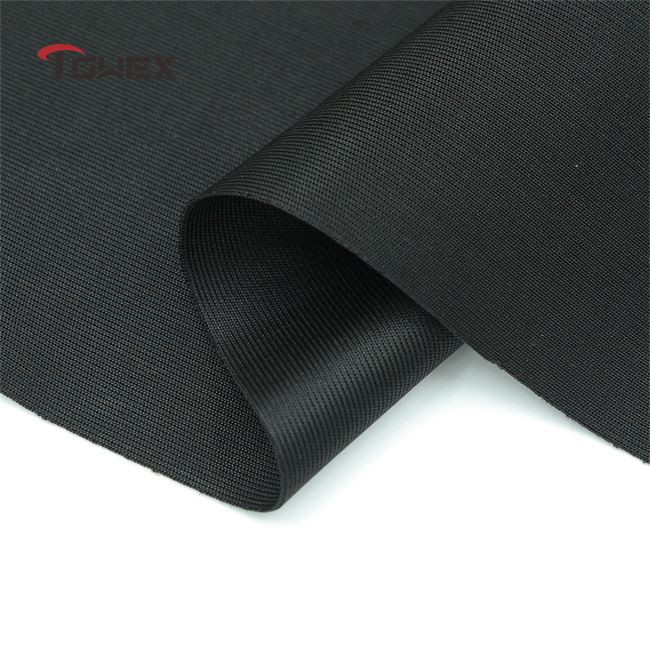
Before we delve into abrasion resistance, let's first understand what UHMWPE knitted fabric is. UHMWPE, or Ultra - High - Molecular - Weight Polyethylene, is a high - performance thermoplastic known for its exceptional strength - to - weight ratio. Knitting this material results in a fabric that combines the inherent benefits of UHMWPE with the flexibility and stretchability offered by the knitting process.
Compared to UHMWPE Woven Fabric, the knitted version has a more complex structure. The loops in the knitting pattern create a fabric that can conform to different shapes more easily. This not only makes it suitable for applications where flexibility is essential but also plays a role in its abrasion - resistant properties.
The Mechanisms Behind UHMWPE's Abrasion Resistance
At the molecular level, UHMWPE has long, linear polymer chains. These chains are held together by strong intermolecular forces, which give the material its high strength. When it comes to abrasion, these chains act like a protective shield. When an abrasive force is applied to the UHMWPE knitted fabric, the polymer chains distribute the force across the material, rather than allowing it to be concentrated in one area.
The knitting structure also contributes to the fabric's abrasion resistance. The interconnected loops can absorb and dissipate energy, preventing it from directly affecting the integrity of the fabric. This energy - absorbing capacity is what allows UHMWPE knitted fabric to endure repetitive abrasion better than many other materials.
Testing UHMWPE Knitted Fabric's Abrasion Resistance
Accurately assessing abrasion resistance is no simple feat. There are multiple standardized methods available for this purpose, each designed to simulate specific real - world scenarios. One commonly used test is the Taber Abrasion Test. In this test, the fabric is subjected to a rotating abrasive wheel under a specific load. The amount of material loss after a set number of rotations is then measured. UHMWPE knitted fabric consistently demonstrates outstanding results in Taber abrasion tests compared to other common fabrics such as cotton, polyester, and nylon.
Another important test is the Martindale Abrasion Test, which is often used for luxury and high - performance textiles. In this test, the fabric is rubbed against a standard abrasive material in an elliptical motion. UHMWPE knitted fabric can withstand thousands of rubs in a Martindale test with minimal signs of wear, indicating its excellent resistance to this type of multi - directional abrasion.
Real - World Applications and Performance
The outstanding abrasion resistance of UHMWPE knitted fabric makes it a popular choice in a wide range of applications.
In the industrial sector, it is used in conveyor belts. Conveyor belts are constantly in contact with sharp or rough materials, and any wear can lead to costly downtime. UHMWPE knitted fabric helps to extend the life of these belts, reducing maintenance costs and improving the overall efficiency of the production process.
In the sports and outdoor industries, UHMWPE knitted fabric is used in protective gear. For example, it can be found in motorcycle racing suits. These suits need to protect riders from abrasion in case of a fall. The high abrasion resistance of UHMWPE knitted fabric offers an extra layer of safety for riders at high - speed events.
It is also used in the military and law enforcement fields. Tactical gloves made from UHMWPE knitted fabric can withstand the rigors of combat and fieldwork. Soldiers and police officers often handle rough equipment and perform tasks that put their gloves under stress, and materials like UHMWPE knitted fabric ensure that the gloves maintain their integrity and functionality over time.
Advantages Over Other Abrasion - Resistant Materials
When compared to other commonly used abrasion - resistant materials, UHMWPE knitted fabric has several distinct advantages.
One significant advantage is its lightweight nature. Unlike some metal - based abrasion - resistant materials, UHMWPE knitted fabric can provide protection without adding excessive weight. This is especially important in applications where mobility is crucial, such as in sports equipment or military gear.
UHMWPE also has excellent chemical resistance. It can withstand exposure to a wide range of chemicals without degrading or losing its abrasion - resistant properties. This makes it suitable for applications in chemical processing plants or environments where contact with corrosive substances is possible.
In addition, UHMWPE knitted fabric is highly flexible. This flexibility allows it to be molded into different shapes and forms, making it a versatile choice for designers and engineers. It can be used in complex geometries and applications where other materials may be too rigid.
Maintenance and Long - Term Use
Despite its excellent abrasion resistance, proper maintenance can further extend the lifespan of UHMWPE knitted fabric. Cleaning the fabric regularly with mild detergents can help remove abrasive particles that may be embedded in the fabric over time. It is also important to store the fabric in a dry and cool place to prevent any potential degradation due to environmental factors.
In long - term use, the fabric shows consistent performance. Even after years of exposure to abrasive conditions, UHMWPE knitted fabric maintains a significant portion of its original strength and abrasion resistance. This long - term reliability is one of the reasons why it is a preferred choice for many high - performance applications.
Choosing the Right UHMWPE Knitted Fabric
When selecting UHMWPE knitted fabric for a specific application, several factors need to be considered. The weight of the fabric is one important factor. Heavier fabrics generally offer higher abrasion resistance but may be less flexible. The knitting pattern also affects performance. Different patterns can distribute stress differently, so it's important to choose a pattern that suits the specific abrasive forces the fabric will encounter.
In addition, the quality of the UHMWPE raw material used in the fabric production plays a vital role. High - quality raw materials will result in a fabric with better overall properties, including improved abrasion resistance.
Conclusion
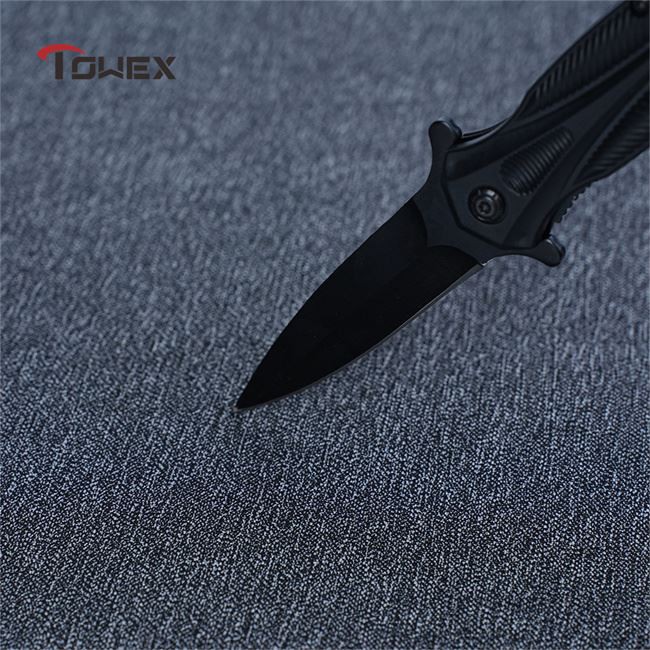
In conclusion, UHMWPE knitted fabric offers exceptional performance in terms of abrasion resistance. Its unique molecular structure, combined with the flexible knitting pattern, allows it to withstand abrasive forces better than many other materials. Whether it's used in industrial applications, sports equipment, or protective gear, UHMWPE knitted fabric provides long - lasting durability and performance.
If you're looking for high - quality UHMWPE Knitted Fabric for your project, I invite you to get in touch. We can discuss your specific requirements and provide you with the best solution for your abrasion - resistant needs.
References
- ASTM International. (Year). Standard Test Method for Abrasion Resistance of Textile Fabrics (Taber Abrader Method).
- ISO. (Year). Textiles - Determination of abrasion resistance - Martindale method.
- Articles from academic journals on the properties and applications of UHMWPE materials.