

Hey there! As a supplier of cut resistant fabric, I often get asked a bunch of questions. One of the most common ones is, "Is cut resistant fabric waterproof?" Let's dig into this topic and find out the real deal.
First off, let's understand what cut resistant fabric is. Cut resistant fabrics are designed to protect against cuts, slashes, and abrasions. They're used in a wide range of industries, from construction and manufacturing to law enforcement and food processing. These fabrics are made from various materials, like high - strength fibers such as Kevlar, Dyneema, and Spectra.
Now, onto the waterproof part. The short answer is: it depends. Not all cut resistant fabrics are waterproof, and there are a few reasons for this.
How Cut Resistant Fabrics Are Made
Most cut resistant fabrics are woven or knitted from high - strength fibers. These fibers are great at stopping sharp objects, but they don't necessarily have properties that make them waterproof. For example, Kevlar is a super strong fiber that's widely used in cut resistant fabrics. It's great at withstanding cuts, but it doesn't have any natural waterproofing.
When these fibers are woven or knitted together, there are often small gaps between them. Water can easily seep through these gaps, which means the fabric isn't waterproof. This is especially true for more open - weave cut resistant fabrics.
Types of Cut Resistant Fabrics and Their Waterproofness
Let's take a look at some of the different types of cut resistant fabrics we offer and see if they're waterproof.
-
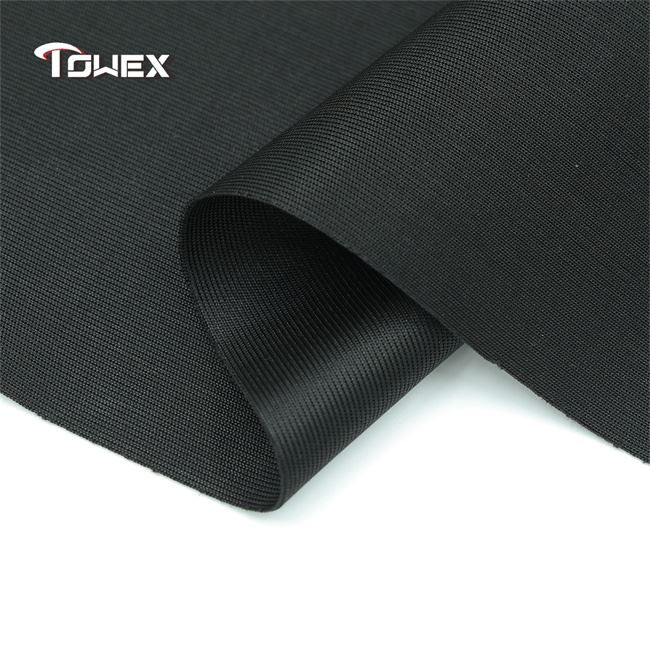
Black EN388 Fabric: You can check out Black EN388 Fabric. This fabric meets the EN388 standard, which is a European standard for cut resistance. It's made from a blend of high - strength fibers. But like most cut resistant fabrics, it's not inherently waterproof. The fibers are focused on providing cut protection, not keeping water out.

-
High - Stretch Knitted Cut Resistant Fabric: Our High - Stretch Knitted Cut Resistant Fabric is known for its flexibility and stretch. It's great for applications where you need a lot of movement. However, the knitted structure has small holes that allow water to pass through. So, it's not waterproof either.
-
Knife Resistant Fabric Striped Pattern: Knife Resistant Fabric Striped Pattern is another popular option. It has a unique striped design and offers good cut resistance. But again, the fabric's main focus is on cutting protection, and it lacks waterproofing features.
Making Cut Resistant Fabrics Waterproof
If you need a cut resistant fabric that's also waterproof, there are ways to achieve this. One common method is to apply a waterproof coating to the fabric.
A waterproof coating can be made from materials like polyurethane or silicone. These coatings create a barrier on the surface of the fabric, preventing water from getting through. However, it's important to note that adding a coating can change the properties of the fabric. For example, it might make the fabric stiffer or reduce its breathability.
Another option is to laminate the cut resistant fabric with a waterproof membrane. A membrane is a thin layer of material that's impermeable to water but can still allow air to pass through in some cases. This can be a good solution if you need both cut resistance and waterproofing without sacrificing too much breathability.
Applications and Considerations
The need for waterproof cut resistant fabric depends on the application.
-
Outdoor Work: In industries like construction or forestry, workers are often exposed to the elements. They need cut resistant clothing that can also keep them dry. A waterproof cut resistant fabric would be ideal in these situations.
-
Marine and Water - Related Jobs: For jobs on boats or in water treatment plants, waterproof cut resistant gear is essential. Workers need protection from cuts as well as from getting wet.
-
Law Enforcement in Wet Conditions: Police officers or security personnel who might be working in the rain or near water need gear that can protect them from both knives and the elements.
However, when choosing a waterproof cut resistant fabric, you need to consider a few things. As mentioned earlier, waterproofing can affect the fabric's flexibility, breathability, and weight. You also need to make sure that the waterproofing method doesn't compromise the fabric's cut resistance.
Conclusion
So, to answer the question "Is cut resistant fabric waterproof?", most cut resistant fabrics aren't waterproof by default. But with the right treatments like coatings or laminations, you can make them waterproof.
If you're in the market for cut resistant fabric, whether it's waterproof or not, we're here to help. We have a wide range of options to suit different needs and applications. If you have any questions or want to discuss your specific requirements, feel free to reach out. We're always happy to talk about our products and find the best solution for you.
References
- ASTM International. (2023). Standards for cut resistant materials.
- European Committee for Standardization. (2023). EN388 standard for cut resistant gloves and fabrics.