

High abrasion resistant fabrics are in high demand across various industries, from outdoor gear and workwear to automotive and industrial applications. As a leading supplier of high abrasion resistant fabrics, we understand the importance of offering customization options to meet the diverse needs of our customers. In this blog post, we will explore the various customization options available for high abrasion resistant fabrics.
Material Selection
The first step in customizing high abrasion resistant fabric is choosing the right material. Different materials offer varying levels of abrasion resistance, strength, flexibility, and other properties. Here are some of the common materials used in high abrasion resistant fabrics:
UHMWPE
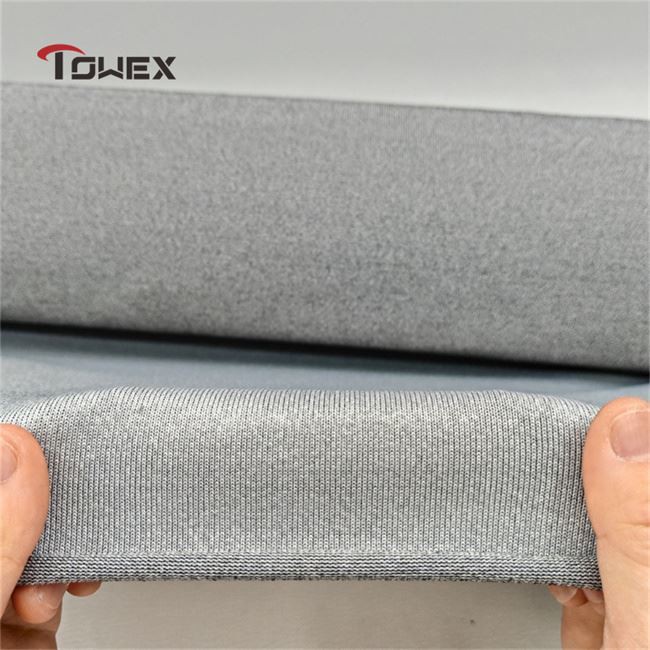
UHMWPE is a synthetic fiber known for its exceptional strength-to-weight ratio and high abrasion resistance. It is widely used in applications where durability is crucial, such as protective clothing, ropes, and industrial equipment. Our UHMWPE Composite Fabric combines UHMWPE fibers with other materials to enhance its performance and provide additional features.
Polyester
Polyester is a popular choice for high abrasion resistant fabrics due to its affordability, durability, and resistance to shrinking and stretching. It can be blended with other fibers to improve its abrasion resistance and other properties. Polyester fabrics are commonly used in outdoor clothing, sports equipment, and upholstery.
Nylon
Nylon is another synthetic fiber known for its high strength, abrasion resistance, and elasticity. It is often used in applications where flexibility and durability are required, such as backpacks, tents, and luggage. Nylon fabrics can be treated with special coatings to enhance their water resistance and other properties.
Weave Patterns
The weave pattern of a fabric can significantly affect its abrasion resistance, strength, and appearance. Different weave patterns offer different levels of durability and flexibility. Here are some of the common weave patterns used in high abrasion resistant fabrics:
Plain Weave
Plain weave is the simplest and most common weave pattern. It consists of a single warp and weft thread interlaced over and under each other. Plain weave fabrics are strong, durable, and have a smooth surface. They are often used in applications where a tight, uniform fabric is required, such as workwear and upholstery.
Twill Weave
Twill weave is characterized by a diagonal pattern created by the interlacing of the warp and weft threads. Twill weave fabrics are stronger and more durable than plain weave fabrics, and they have a distinctive texture. They are commonly used in applications where a high level of abrasion resistance is required, such as denim and outdoor gear.
Satin Weave
Satin weave is a smooth, shiny fabric with a high luster. It is created by floating the warp or weft threads over several other threads, resulting in a fabric with a soft, luxurious feel. Satin weave fabrics are not as strong as plain or twill weave fabrics, but they are often used in applications where appearance is important, such as formal wear and lingerie.
Coating and Finishing
Coating and finishing processes can be used to enhance the performance and functionality of high abrasion resistant fabrics. Here are some of the common coating and finishing options available:
Water Repellent Coating
A water repellent coating can be applied to high abrasion resistant fabrics to make them water-resistant. This is particularly useful in outdoor applications where the fabric may be exposed to rain or moisture. Water repellent coatings can also help to prevent the growth of mold and mildew.
Flame Retardant Coating
A flame retardant coating can be applied to high abrasion resistant fabrics to make them resistant to fire. This is important in applications where there is a risk of fire, such as industrial workwear and automotive interiors. Flame retardant coatings can help to prevent the spread of fire and reduce the risk of injury.
Color and Print
Customizing the color and print of high abrasion resistant fabrics can add a unique touch to your products and make them stand out in the market. Here are some of the color and print options available:
Solid Colors
Solid colors are the simplest and most common option for high abrasion resistant fabrics. You can choose from a wide range of colors to match your brand or design requirements. Solid colors are often used in applications where a clean, professional look is required, such as workwear and uniforms.
Prints and Patterns
Prints and patterns can add a fun and creative element to high abrasion resistant fabrics. You can choose from a variety of prints and patterns, including floral, geometric, and abstract designs. Prints and patterns are often used in applications where a more fashionable or eye-catching look is desired, such as outdoor clothing and sports equipment.
Custom Prints
If you have a specific design or logo in mind, you can also opt for custom prints. Custom prints allow you to create a unique and personalized fabric that reflects your brand or design vision. Custom prints are often used in applications where brand identity is important, such as corporate apparel and promotional items.
Thickness and Weight
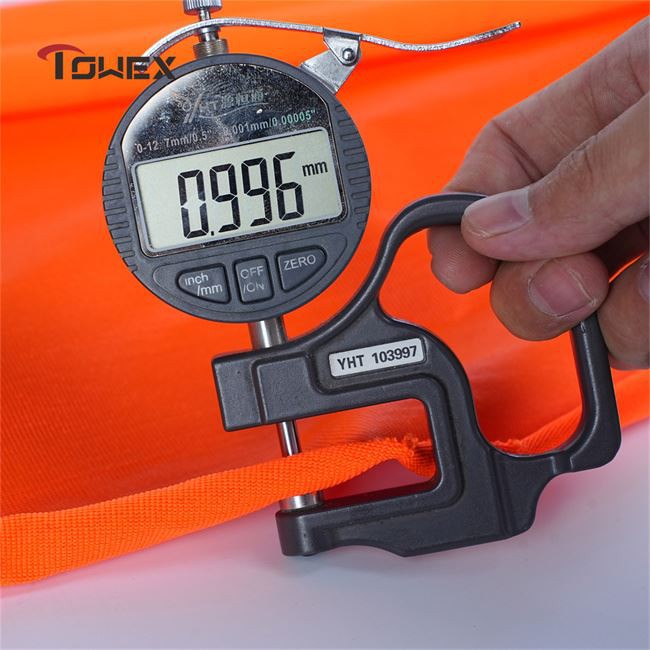
The thickness and weight of high abrasion resistant fabrics can also be customized to meet your specific requirements. Thicker and heavier fabrics generally offer higher levels of abrasion resistance and durability, but they may also be less flexible and breathable. Here are some of the thickness and weight options available:
Lightweight Fabrics
Lightweight fabrics are ideal for applications where flexibility and breathability are important, such as outdoor clothing and sports equipment. They are also more comfortable to wear for extended periods of time. Lightweight fabrics typically have a lower abrasion resistance than heavier fabrics, but they can still provide adequate protection in many applications.
Medium-Weight Fabrics
Medium-weight fabrics offer a good balance between abrasion resistance, flexibility, and breathability. They are commonly used in applications where a moderate level of protection is required, such as workwear and upholstery. Medium-weight fabrics are also more durable than lightweight fabrics and can withstand more wear and tear.
Heavyweight Fabrics
Heavyweight fabrics are designed for applications where maximum abrasion resistance and durability are required, such as industrial workwear and automotive interiors. They are typically thicker and heavier than medium-weight fabrics, and they may be less flexible and breathable. Heavyweight fabrics are often used in applications where the fabric will be exposed to harsh conditions or heavy use.
Conclusion
As a high abrasion resistant fabric supplier, we offer a wide range of customization options to meet the diverse needs of our customers. Whether you need a specific material, weave pattern, coating, color, or thickness, we can work with you to create a custom fabric that meets your requirements. Our Core-Wrapped Stretch UHMWPE Fabric and Denim UHMWPE Fabric Series are just a few examples of our high-quality, customizable fabrics.
If you are interested in learning more about our customization options or would like to discuss your specific requirements, please contact us. Our team of experts is ready to help you find the perfect high abrasion resistant fabric for your application.
- The Textile Institute. (2020). Textile Terms and Definitions. 11th Edition.