

Hey everyone,
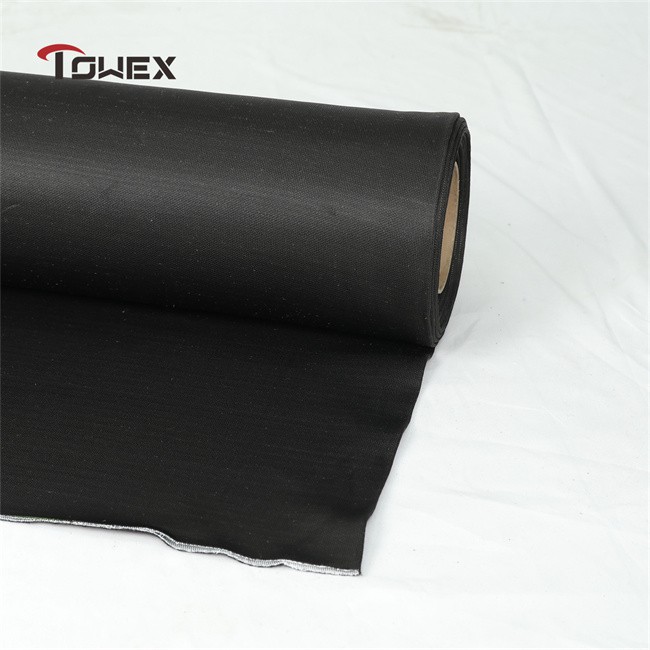
If you’ve ever looked into personal protective gear for things like security work, law enforcement, or even just high-risk day-to-day jobs, you’ve probably heard of stab resistant fabric. As a supplier of these materials, I get asked all the time “how good is this stuff, really?” The truth is, it’s way more complicated than just “it stops knives.” Today I want to talk about the real limitations of stab resistant fabric—stuff we deal with every day in our warehouse, because no product is perfect. And before we dive in, a quick note: if you’re here shopping for gear, make sure you check out our range, including Anti Stab Fabric for general use, Anti-Stab UHMWPE Fabric for high-performance needs, and even related options like Puncture Resistant Fabric, Stab Resistant Fabric High-Performance, and Cut Proof Fabric to cover different risks. But let’s get back to the limits, because that’s what actually matters for making the right call.
First off, let’s be clear: stab resistant fabrics aren’t bulletproof, and they aren’t even the same as cut proof fabrics—though people mix those up all the time. A lot of folks think if a fabric stops a knife, it’ll handle a shard of glass or a box cutter’s slicing motion, and that’s not true. That’s one of the biggest misconceptions, but here’s a more specific limitation: knife blade shape matters so much, and fabrics don’t handle all shapes equally. For example, a thin, pointed stabbing blade (like a switchblade) is way different from a thick, serrated combat knife. Even the angle you stab at makes a difference. I remember a customer called us last year, super frustrated, saying their stab vest wasn’t working. Turns out they were testing it with a double-edged tactical knife, and our standard fabric (we told them this upfront, but maybe they skipped that part) isn’t built to handle blades that narrow and sharp at extreme angles. UHMWPE fabrics, like our Anti-Stab UHMWPE Fabric, can take more, but even that has a threshold—once a blade gets sharp enough and goes at just the right angle, it can push through the fibers, not because the fabric is bad, but because physics.
Another big one is weight and bulk. If you want a fabric that stops every possible knife thrust, it’s going to be thick and heavy. For someone walking a beat, that’s a problem—they’re already carrying a gun, radio, notebook, and all that stuff, adding a heavy vest can cause back pain, limit movement, even get in the way during a chase. We have high-performance options, our Stab Resistant Fabric High-Performance line is designed to be lighter, but even that has limits. The trade-off here is: lighter = less protection. I’ve had security companies come to us saying they need a vest their guards can wear under a uniform, but ask for the same protection as a bulky tactical vest. It’s just not possible right now. The fibers have to be dense enough to stop a blade, and dense fibers mean more weight. That’s a core limitation—you can’t have maximum protection and total comfort at the same time.
Durability is another thing that people don’t talk about enough. Stab resistant fabrics are usually made with tough synthetic fibers (like Kevlar, UHMWPE, or polyethylene blends) but they break down over time. Exposure to sunlight, sweat, chemicals, even just regular wear and tear can weaken the fibers. For example, if a fabric is left in a hot car for months, the UV rays can eat away at the UHMWPE, making it less effective. We had a client who stored their stock in a damp warehouse—they came back six months later and the fabric had lost almost 30% of its stab resistance, just from moisture. And it’s not just long-term storage; each stab test (or even a real stab) weakens the fabric a little. If you use a piece of stab fabric once, it’s not as good as new, because the fibers get stretched or broken, so next time a thrust comes, there’s less strength to hold it back. That’s a big deal for things like tactical gear that’s used in high-stress situations—you can’t just buy a fabric and forget about it; you have to maintain it.
Wait, let’s not forget about the difference between stab resistance and puncture resistance, which is where Puncture Resistant Fabric comes in. A lot of people think these are the same, but no—puncture is when something sharp is pushed straight through (like a syringe or an ice pick), while stabbing is more of a slashing or thrusting motion with a knife. Some fabrics handle both, but not all. For example, a stab resistant fabric might stop a knife thrust, but it won’t stop a thick needle puncture, because the needle’s point is so small it can slip between the fibers easier. That’s why it’s important to match the fabric to the exact risk you’re facing. If you’re working in a job where you might encounter both knives and syringes, you need a fabric that’s designed for both, not just one. We’ve had a lot of healthcare clients come to us for that, and while we have options, it’s still a balancing act—dual-purpose fabrics aren’t as good as single-purpose ones at either job.
Another limitation is size and coverage. Stab resistant fabrics work best when they cover a large, flat area, like a vest panel. But if you need to cover small, curved parts of the body (like the armpits or elbows), it’s harder to cut and shape the fabric without weakening it. The seams are a weak point too. Most stab resistant fabrics have to be sewn together, and even with reinforced stitching, the seam can be a point where a blade can get through. We always tell our customers to avoid sharp bending or pulling on the seams, because that can fray the stitching and create a gap. I’ve seen a test where a knife went through a seam on a stab vest, just because the seam wasn’t reinforced enough. So even if the fabric itself is great, how you cut and sew it matters, and that’s a limitation of the material—it’s not as flexible as regular fabric, so working with it requires extra care.
What about temperature? That’s a thing no one thinks about. Synthetic fibers like UHMWPE can get affected by extreme heat or cold. If a fabric is exposed to temperatures above 150°F (like inside a car on a hot summer day), the fibers can soften, making them less effective at stopping blades. On the flip side, in very cold temperatures (below -40°F), some fibers become brittle, so they can break more easily when a stab happens. I remember a customer who worked in Alaska, said their stab fabric stopped working after a month outside in freezing weather. Turned out the cold had made the Kevlar fibers brittle, so when a knife thrust came, the fibers snapped instead of stretching and holding. That’s a real-world limitation that a lot of companies don’t test for—most lab tests are done at room temperature, so they don’t show how the fabric performs in extreme climates.
And let’s talk about cost, because that’s a practical limitation for a lot of people. High-performance stab resistant fabrics, like our Anti-Stab UHMWPE Fabric or Stab Resistant Fabric High-Performance line, are way more expensive than regular fabric. If you’re a small business or a individual buying gear on a budget, you might have to go with a lower-quality fabric, which means more limitations—less protection, shorter lifespan, more weight. We get that, and we offer a range of options, but the old saying is true: you get what you pay for. A $5 yard of stab fabric isn’t going to be as good as a $25 yard, and that’s a limitation of the material—high performance costs money, and you can’t skimp on that if you need real protection.

Wait, I should also mention that there’s no universal standard for stab resistance. Different countries have different tests, and different labs test fabrics differently. A fabric that passes one test might not pass another, because the test uses a different blade, different angle, different force. That’s a problem because it’s hard to compare products. For example, a fabric might be rated to stop a 20N thrust (that’s about 4.5 pounds of force) but if you use a 30N thrust (6.7 pounds), it fails. So when a customer comes to us asking for a fabric that stops “any knife,” we have to explain that there’s no such thing. All fabrics have a maximum force they can handle, and if you exceed that, they’ll be pierced. That’s a key limitation—stab resistance is not a yes/no thing, it’s a range, and you have to know what that range is for your specific use case.
Let me circle back to something I mentioned earlier: mix-ups between stab resistant and cut proof fabrics, like our Cut Proof Fabric. Cut proof fabrics are designed to handle slicing motions with sharp objects like box cutters, but they’re not the same as stab resistant, which is for thrusting. A lot of people buy cut proof fabric thinking it will stop a knife, but it won’t, because a knife thrust is a concentrated force going straight into the fabric, while a slicing motion is more of a side-to-side cut. We had a restaurant owner come to us last year, wanted fabric for aprons to protect against kitchen knives, and they ordered cut proof fabric. When we told them it wouldn’t stop a stab, they were confused—they thought “cut proof” meant stab proof. That’s a big limitation in how these terms are used, and it’s something we work hard to educate people on, but it’s still a common misconception.
So what does all this mean for someone looking to buy stab resistant fabric? It means you can’t just pick the first one you see. You have to ask questions: what kind of threats am I facing? Knife shape? Force of thrust? Are there other risks (punctures, cuts)? What environment will the fabric be used in (hot, cold, damp)? How much weight can I handle? What’s my budget? All these factors play into how well the fabric will work for you. No fabric is perfect, but when you match the right fabric to your needs, you can get a lot of protection.
As a supplier, we get that our customers need reliable gear that works when it counts. We don’t hide the limitations of our fabrics, because we’d rather you get the right product than be disappointed when it doesn’t perform. Whether you’re a security company, law enforcement, healthcare worker, or just someone looking for personal protection, we have options tailored to different needs—from general use Anti Stab Fabric to high-performance fabrics for extreme risks. If you’re not sure which one is right for you, reach out to our team to chat through your needs—we’re here to help you make an informed decision.
At the end of the day, stab resistant fabric is a great tool for personal safety, but it’s not a solution that works for every situation. Understanding its limitations is just as important as knowing its strengths, because that’s how you get the best protection possible. Don’t hesitate to connect with our team to discuss your requirements and find the right fabric for your needs.
References
- National Institute of Justice. (2020). Stab and Cut Resistance Standards for Body Armor. U.S. Department of Justice.
- ASTM International. (2018). Standard Test Method for Resistance of Materials to Stab Penetration. ASTM F1342-18.
- Lee, S., et al. (2021). "Performance Degradation of UHMWPE Fabrics Under Environmental Exposure." Journal of Protective Materials, 9(2), 45-58.
- International Organization for Standardization. (2019). Protective Clothing - Test Methods for Determination of Resistance to Stab and Puncture of Materials and Assemblies. ISO 13998:2019.