

Hey there! As a supplier of Abrasion Resistant Fabric, I often get asked about the difference between regular fabric and abrasion resistant fabric. So, I thought I'd break it down for you in this blog post.
What's Regular Fabric?
Regular fabric is what you see in most everyday clothing, home textiles, and general-purpose items. It's made from a variety of materials like cotton, polyester, silk, and wool. These fabrics are great for a lot of things, but they have their limitations.
Cotton, for example, is super soft and breathable, making it a go - to for summer clothes. But it can wear out pretty quickly, especially if it's exposed to a lot of friction. Polyester is more durable than cotton in some ways, but it can also pill and show signs of wear over time. Silk is luxurious but extremely delicate and can easily snag or tear.
Regular fabrics are designed mainly for comfort, aesthetics, and basic functionality. They're perfect for casual wear, home decor, and situations where there isn't a lot of rough handling or abrasion.
What is Abrasion Resistant Fabric?
Abrasion resistant fabric, on the other hand, is engineered to withstand wear and tear. It's designed to resist the friction that causes regular fabrics to break down. There are different types of abrasion resistant fabrics, each with its own unique properties.
One of the most popular materials used in abrasion resistant fabrics is UHMWPE (Ultra - High Molecular Weight Polyethylene). This stuff is tough as nails! UHMWPE has a high strength - to - weight ratio, which means it's really strong but also lightweight.
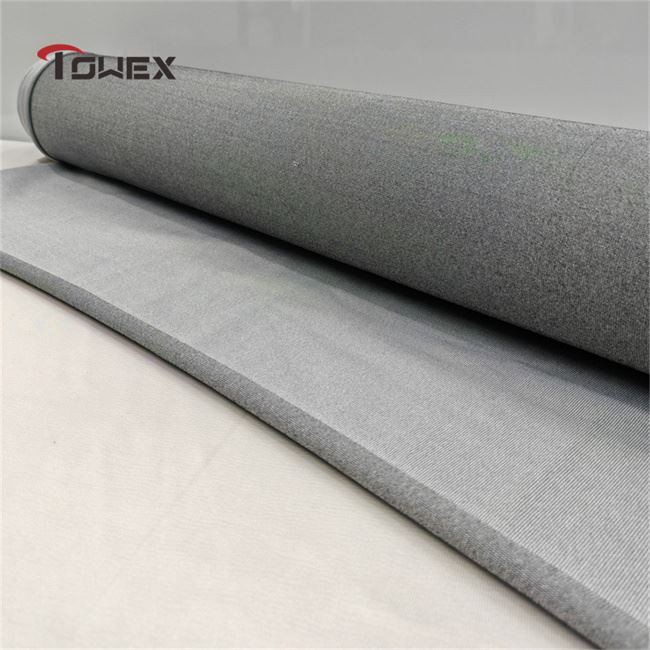
We offer some great options in abrasion resistant fabrics. For instance, our Core - Wrapped Stretch UHMWPE Fabric combines the stretchability you need with the high abrasion resistance of UHMWPE. It's perfect for applications where you need both flexibility and durability, like in sportswear or workwear.
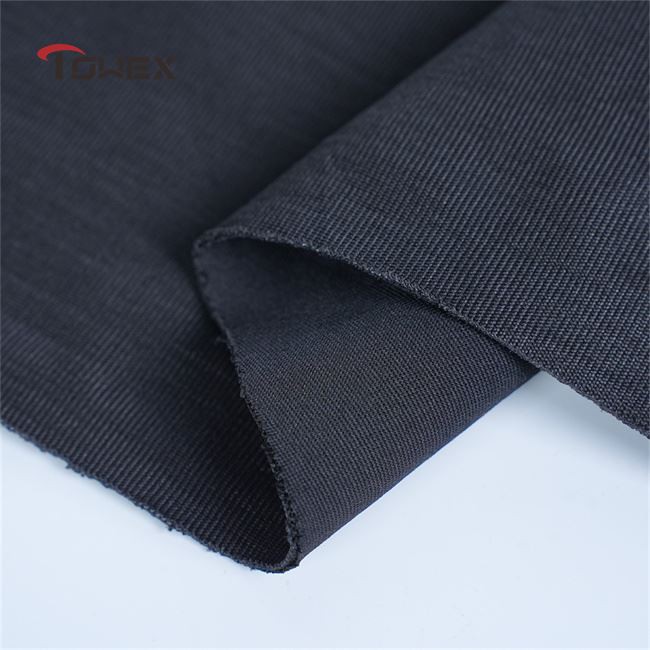
Our Abrasion Resistant Fabric is a more general - purpose option. It can be used in a wide range of industries, from automotive to industrial. This fabric can handle a lot of rough use without showing significant signs of wear.
And then there's our UHMWPE Composite Fabric. This fabric combines UHMWPE with other materials to create a fabric that has enhanced properties. It might have better tear resistance, or it could be more resistant to chemicals, depending on the specific composite.
Key Differences
Durability
The most obvious difference between regular fabric and abrasion resistant fabric is durability. Regular fabric can start to show signs of wear after just a few uses, especially in high - friction areas. Abrasion resistant fabric, however, can withstand a lot more abuse. It can be used in environments where regular fabric would quickly fall apart, like construction sites, mining operations, or sports where there's a lot of contact with rough surfaces.
Strength
Abrasion resistant fabrics are generally stronger than regular fabrics. They have a higher tensile strength, which means they can withstand more pulling and stretching without breaking. This makes them ideal for applications where the fabric needs to hold up under stress, like in ropes, harnesses, or heavy - duty bags.
Cost
Abrasion resistant fabrics usually cost more than regular fabrics. This is because they're made from specialized materials and often require more complex manufacturing processes. But when you consider the long - term savings, it can be worth the investment. Since they last longer, you won't have to replace them as often, which can save you money in the long run.
Applications
Regular fabrics are used in a wide range of everyday applications, like clothing, bedding, and curtains. Abrasion resistant fabrics, on the other hand, are used in more specialized applications. They're commonly used in industries such as aerospace, military, and outdoor sports. For example, in the aerospace industry, abrasion resistant fabrics are used to line the interiors of planes to protect against wear and tear. In outdoor sports, they're used in gear like hiking boots, backpacks, and cycling jerseys.
How to Choose the Right Fabric
When deciding between regular fabric and abrasion resistant fabric, you need to consider your specific needs. If you're making something for everyday use, like a t - shirt or a pillowcase, regular fabric is probably fine. But if you're making something that will be exposed to a lot of wear and tear, like work pants or a tent, then abrasion resistant fabric is the way to go.
Think about the environment where the fabric will be used. If it's going to be in a rough, high - friction environment, you'll want a fabric that can stand up to that. Also, consider the cost. While abrasion resistant fabric is more expensive upfront, it can save you money in the long run if it lasts longer.
Why Choose Our Abrasion Resistant Fabrics?
As a supplier, we take pride in offering high - quality abrasion resistant fabrics. Our fabrics are tested to ensure they meet the highest standards of durability and performance. We use the latest technology and manufacturing processes to create fabrics that are not only strong but also comfortable and functional.
Whether you're in the automotive industry, the outdoor sports industry, or any other industry that requires durable fabrics, we have a solution for you. Our team of experts can help you choose the right fabric for your specific needs and provide you with all the information you need to make an informed decision.
If you're interested in learning more about our abrasion resistant fabrics or have any questions about which fabric is right for you, don't hesitate to reach out. We're here to help you find the perfect fabric for your project. Let's start a conversation and see how we can work together to meet your fabric needs.
References
- Textile Institute. "Handbook of Textile Testing and Quality Control."
- ASTM International. "Standards for Abrasion Resistance Testing of Fabrics."