

Can flame retardant fabric be used in automotive interiors? Well, that's a question I get asked a lot as a flame retardant fabric supplier. In this blog, I'll dive into this topic and give you the low - down on whether flame retardant fabric is a good fit for automotive interiors.
First off, let's talk about what flame retardant fabric is. Flame retardant fabrics are materials that are treated or inherently made to be more resistant to catching fire and spreading flames. There are different types on the market, each with its own set of properties and uses. For example, we have Static Resistant Fabric, which not only resists flames but also helps to reduce static electricity. This can be a huge plus in automotive settings, as static can be a nuisance and, in some cases, even a safety hazard.
Another type is the Thermal Resistant Aramid FR Woven Fabric. Aramid is known for its high - strength and excellent thermal resistance. In cars, this kind of fabric can protect interior components from heat, which is especially important in areas near the engine or other heat - generating parts.
Now, let's get to the main question: Can it be used in automotive interiors? The short answer is yes, and there are several good reasons for that.
Safety First
One of the most obvious reasons for using flame retardant fabric in cars is safety. Car accidents can sometimes result in fires, either due to fuel leakage or electrical problems. By using flame retardant materials for the upholstery, seat covers, and other interior parts, the risk of a small fire quickly spreading throughout the car can be significantly reduced. This gives passengers more time to escape the vehicle in case of an emergency.
Flame retardant fabrics can self - extinguish when the source of ignition is removed, which means that a small spark or a brief exposure to fire won't turn the entire interior of the car into a blazing inferno. This can be a lifesaver, literally.
Meeting Regulations
The automotive industry is highly regulated, and there are often strict requirements regarding fire safety in vehicles. Many countries and regions have their own standards for the flammability of automotive interior materials. Using flame retardant fabric helps car manufacturers meet these regulations and avoid potential legal issues.
For instance, in the United States, the National Highway Traffic Safety Administration (NHTSA) has specific flammability standards for automotive interior materials. By choosing the right Fire Flame Fabric, manufacturers can ensure that their vehicles comply with these rules.
Durability and Comfort
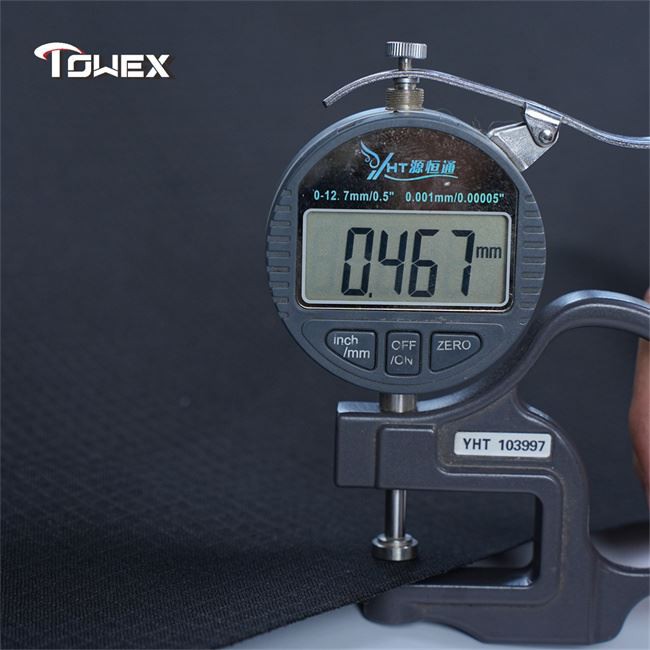
Flame retardant fabrics are not just about safety; they also offer good durability. The treatments that make them fire - resistant often enhance other properties of the fabric as well. They can be more resistant to wear and tear, which is essential in a vehicle where the seats and other interior parts are subject to a lot of use.
In addition, modern flame retardant fabrics are designed to be comfortable. They can have a soft feel, just like regular upholstery fabrics, without sacrificing on the fire - resistant qualities. This means that there's no need to compromise on comfort for the sake of safety in automotive interiors.
Aesthetic Appeal
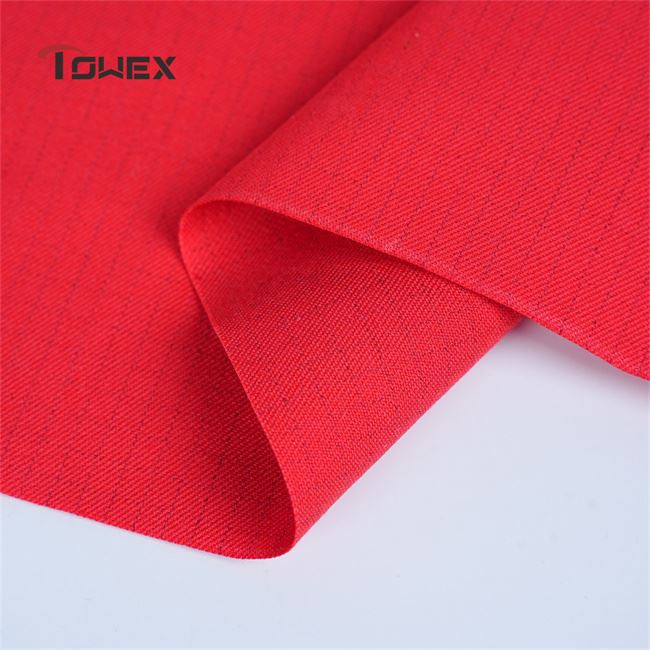
You might think that flame retardant fabrics are all about function and have no style. But that's not the case at all. There are a wide variety of colors, patterns, and textures available in flame retardant fabrics. Whether you're going for a sleek, modern look or a more traditional style for your car interior, you can find a flame retardant fabric that suits your aesthetic needs. For example, our Hi - Viz Orange Aramid FR Fabric not only offers high - visibility but also adds a unique touch to the interior.
Potential Challenges
However, using flame retardant fabric in automotive interiors isn't without its challenges. One of the main concerns is cost. Flame retardant fabrics are generally more expensive than regular fabrics. This is due to the additional treatments and materials used to make them fire - resistant. Car manufacturers need to balance the cost of using these fabrics with the benefits of improved safety and compliance with regulations.
Another issue can be compatibility with other automotive components. Some flame retardant treatments might react with certain chemicals or materials used in the car's interior, such as adhesives or coatings. This can lead to problems like discoloration or reduced performance of the fabric over time. It's important for manufacturers to do thorough testing to ensure that the flame retardant fabric works well with all the other elements in the vehicle.
Solutions to the Challenges
To address the cost issue, we're constantly working on improving our manufacturing processes to reduce the cost of producing flame retardant fabrics without sacrificing quality. We're also exploring new, more cost - effective materials and treatments that can provide the same level of fire resistance.
As for compatibility, we work closely with car manufacturers to test our fabrics in real - world automotive environments. We provide detailed technical information and support so that they can make informed decisions about which fabrics are the best fit for their vehicles. Our Fabric Fire Protection solutions are designed to be as versatile as possible to minimize compatibility issues.
Wrap - Up and Call to Action
In conclusion, flame retardant fabric can definitely be used in automotive interiors, and it offers a range of benefits in terms of safety, compliance, durability, comfort, and aesthetics. While there are some challenges, we're committed to finding solutions to make these fabrics more accessible and practical for the automotive industry.
If you're in the automotive industry or involved in car interior design, and you're interested in learning more about our flame retardant fabrics or discussing a potential purchase, don't hesitate to reach out. We're here to help you find the perfect fabric for your needs and ensure that your vehicles are safe and stylish.
References
- National Highway Traffic Safety Administration (NHTSA). Automotive flammability standards.
- Industry reports on automotive interior materials and safety.