

As a supplier of UHMWPE Ballistic Fabric, I've gotten a ton of questions about how it stacks up against Kevlar. So, I thought I'd break it down for you in this blog post.
What's UHMWPE Ballistic Fabric and Kevlar Anyway?
Let's start with the basics. UHMWPE stands for Ultra-High Molecular Weight Polyethylene. It's a super-strong synthetic fiber that's used in all sorts of stuff, especially ballistic applications. You can check out our UHMWPE Ballistic Fabric on our website to get a better idea.
Kevlar, on the other hand, is an aramid fiber developed by DuPont. It's been around for ages and is well-known for its use in bulletproof vests and other protective gear. You can also take a look at our Aramid Weave Bulletproof Fabric to see the aramid side of things.
Strength and Durability
One of the first things people ask about is strength. UHMWPE Ballistic Fabric is seriously tough. It has an incredibly high strength-to-weight ratio, which means it can stop bullets and other projectiles while being relatively lightweight. This is a huge advantage, especially for applications where weight matters, like body armor for military or law enforcement.
Kevlar is also super strong, but it's a bit heavier than UHMWPE. That extra weight can make a difference, especially if you're wearing the protective gear for long periods. However, Kevlar is known for its excellent cut and abrasion resistance. So, if you're in a situation where you might be exposed to sharp objects or rough surfaces, Kevlar could be a better choice.
Resistance to Environmental Factors
Another important factor is how these fabrics hold up in different environments. UHMWPE Ballistic Fabric is highly resistant to moisture, chemicals, and UV radiation. This means it won't degrade as quickly as some other materials when exposed to the elements. It's also less likely to absorb water, which can be a big plus in wet conditions.
Kevlar, on the other hand, can absorb moisture, which can affect its performance. It's also more susceptible to damage from UV radiation over time. So, if you're using the protective gear in a humid or sunny environment, UHMWPE might be the way to go.
Flexibility and Comfort
When it comes to wearing protective gear, comfort is key. UHMWPE Ballistic Fabric is known for its flexibility. It can be molded into different shapes and forms, making it more comfortable to wear. This is especially important for body armor, where you need to be able to move freely.
Kevlar is also flexible, but it can be a bit stiffer than UHMWPE. This might not be a big deal for some applications, but if you're looking for maximum comfort, UHMWPE could be the better option.
Cost
Cost is always a factor when making a decision. UHMWPE Ballistic Fabric is generally more cost-effective than Kevlar. This is because it's easier and cheaper to produce. However, the cost can vary depending on the specific application and the quality of the fabric.
Kevlar is more expensive, but it's also a well-established brand with a long history of use in the industry. So, if you're willing to pay a premium for a tried-and-true material, Kevlar might be worth it.
Applications
Both UHMWPE Ballistic Fabric and Kevlar are used in a wide range of applications. UHMWPE is commonly used in body armor, helmets, and other protective gear. It's also used in marine applications, like boat hulls and sails, because of its resistance to water and chemicals.
Kevlar is used in similar applications, but it's also popular in the aerospace industry. It's used in airplane parts, like wings and fuselages, because of its high strength and lightweight properties.
Our Soft and Hard UHMWPE UD Series
We offer a Soft and Hard UHMWPE UD Series that combines the best of both worlds. Our UD (Unidirectional) fabrics are made by aligning the UHMWPE fibers in a single direction, which gives them even greater strength and flexibility.

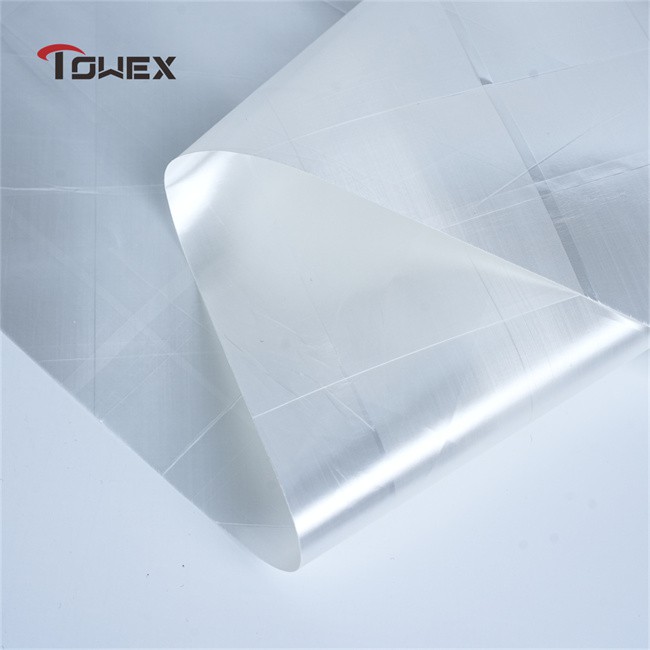
The soft UD series is perfect for body armor and other applications where comfort is a priority. It's lightweight and flexible, but still provides excellent protection. The hard UD series is more rigid and is used in applications where maximum protection is needed, like helmets and vehicle armor.
Conclusion
So, which is better, UHMWPE Ballistic Fabric or Kevlar? Well, it depends on your specific needs. If you're looking for a lightweight, cost-effective material that's resistant to the elements and provides excellent protection, UHMWPE might be the way to go. If you need a material with excellent cut and abrasion resistance and a long history of use in the industry, Kevlar could be a better choice.
If you're interested in learning more about our UHMWPE Ballistic Fabric or have any questions about how it compares to Kevlar, don't hesitate to reach out. We're here to help you find the right solution for your needs.
References
- "Ballistic Materials and Penetration Mechanics" by Norman C. Chou and Vistasp M. Karbhari
- "Handbook of Textile Fibre Structure" edited by David J. Spooner