

In the vast landscape of yarns, each type brings its own unique set of characteristics to the table. As a supplier of UHMWPE (Ultra-High Molecular Weight Polyethylene) Yarn, I've witnessed firsthand the diverse applications and performance of different yarns in a variety of industries. This blog post aims to compare UHMWPE Yarn with other types of yarns, including natural fibers and synthetic alternatives, delving into their commonality and differences, and exploring their respective advantages and drawbacks.
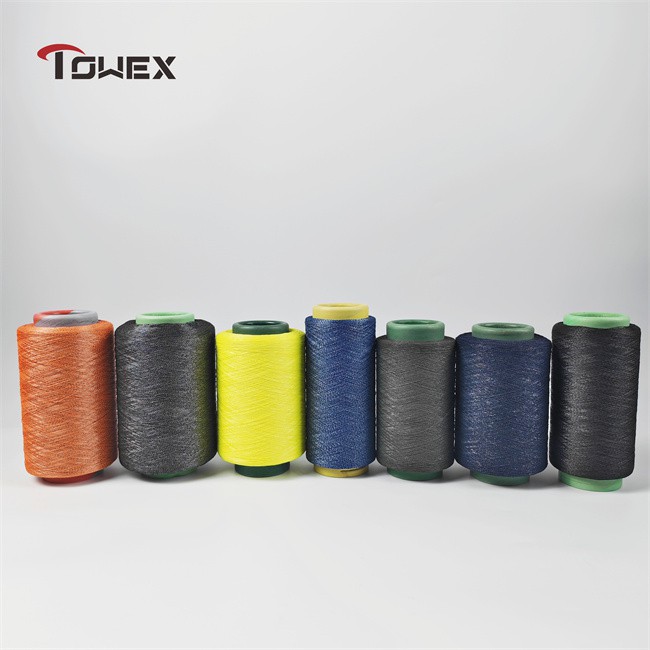
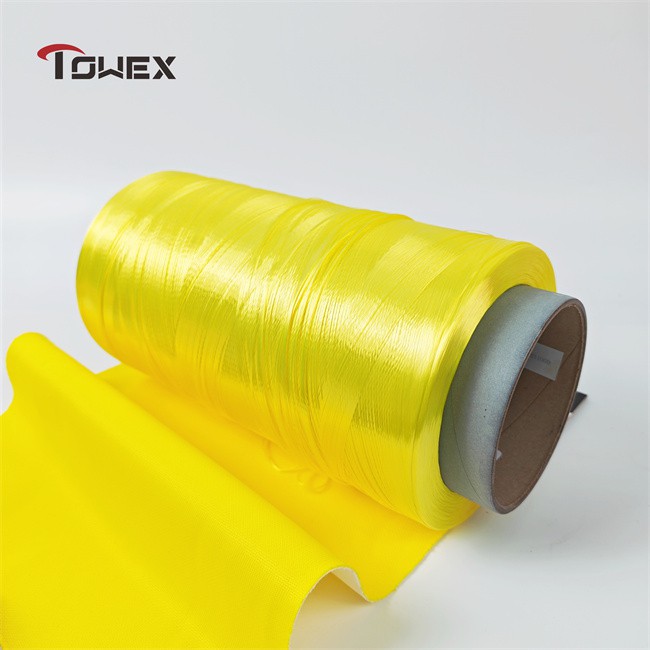
To begin, let's understand the essence of UHMWPE Yarn. UHMWPE is a remarkable polymer with extremely long chains, and the fibers made from it exhibit high tensile strength, excellent abrasion resistance, low moisture absorption, and a high strength - to - weight ratio. These properties make UHMWPE Yarn a sought - after material in many high - performance applications. You can find more about UHMWPE Yarn Industry Solutions at UHMWPE Yarn Industry Solutions.
Comparison with Natural Yarns
Cotton Yarn
Cotton is one of the most widely used natural fibers in the textile industry. It is known for its softness, breathability, and comfort, making it a popular choice for clothing, bedding, and other consumer products. Cotton yarn is also relatively inexpensive and easy to dye. However, compared to UHMWPE Yarn, cotton has some significant limitations.
Cotton has a much lower tensile strength. UHMWPE can have a tensile strength several times higher than that of cotton. This means that UHMWPE Yarn is far more suitable for applications where strength is crucial, such as in ropes, nets, and high - performance sportswear. Cotton also has a relatively high moisture absorption rate. While this property can be an advantage in some situations, like in summer clothing, it can cause the fiber to weaken when wet and takes longer to dry. In contrast, UHMWPE Yarn has low moisture absorption, maintaining its strength even in wet conditions.
Wool Yarn
Wool is another natural fiber renowned for its warmth, insulation properties, and natural elasticity. It is commonly used in winter clothing, blankets, and carpets. Wool can absorb a large amount of moisture without feeling wet, which helps in regulating body temperature. However, wool is also susceptible to damage from insects and requires careful care to prevent shrinkage.
In comparison, UHMWPE Yarn offers little in the way of insulation or elasticity compared to wool, but it outshines in terms of strength and durability. Wool yarn's natural fibers can be worn down over time, especially in high - friction applications. UHMWPE Yarn, on the other hand, has excellent abrasion resistance, making it ideal for industrial applications where long - term wear and tear are a concern.
Comparison with Synthetic Yarns
Nylon Yarn
Nylon is a well - known synthetic fiber that has been used in a wide range of products, from hosiery to industrial ropes. Nylon is strong, elastic, and has good abrasion resistance. It is also relatively easy to produce and can be made into various deniers.
UHMWPE Yarn and nylon yarn share some similarities in terms of strength and abrasion resistance. However, UHMWPE has a higher strength - to - weight ratio. For the same weight, UHMWPE Yarn can provide greater strength, which is a significant advantage in applications where weight is a critical factor, such as in aerospace and marine industries. Additionally, nylon has a higher melting point, but UHMWPE Yarn has better chemical resistance and lower moisture absorption. You can learn more about different denier specifications of UHMWPE Yarn at UHMWPE Denier Specifications From.
Polyester Yarn
Polyester is a synthetic fiber that is widely used in the textile industry due to its affordability, durability, and resistance to wrinkles and shrinking. It is commonly used in clothing, home furnishings, and industrial fabrics.
Polyester yarn has good strength and is resistant to many chemicals. However, UHMWPE Yarn surpasses polyester in tensile strength and abrasion resistance. Polyester may also have a higher coefficient of friction compared to UHMWPE, which can be a drawback in applications where low friction is required. Moreover, like nylon, polyester has a relatively high moisture absorption compared to UHMWPE, which can lead to reduced performance in wet environments.
Aramid Yarn
Aramid fibers, such as Kevlar and Nomex, are known for their high strength, heat resistance, and flame retardancy. They are commonly used in high - performance applications such as body armor, aerospace components, and protective clothing.
UHMWPE Yarn and aramid yarns are both high - performance fibers, but they have distinct differences. Aramid fibers are more heat - resistant than UHMWPE, which starts to soften at relatively lower temperatures. However, UHMWPE Yarn has a much lower density than aramid fibers. This low density makes UHMWPE Yarn lighter for the same strength, which is a key advantage in applications where weight is a major consideration, like in the production of lightweight yet strong ropes and slings.
Applications Highlighting the Advantages of UHMWPE Yarn
Marine Industry
In the marine environment, ropes and nets need to withstand harsh conditions, including saltwater corrosion, abrasion from rough surfaces, and high tensile forces. UHMWPE Yarn's low moisture absorption prevents it from weakening in water, and its high abrasion resistance ensures a long service life. Compared to other yarns like cotton or polyester, which may degrade quickly in saltwater, UHMWPE Yarn is a superior choice for mooring ropes, fishing nets, and towing lines.
Sporting Goods
In sporting goods, lightweight and high - strength materials are constantly in demand. UHMWPE Yarn is used in rock climbing ropes, kiteboarding lines, and archery strings. Its high strength - to - weight ratio allows athletes to have reliable equipment without unnecessary weight, providing a competitive edge. In comparison, materials like wool or nylon may not provide the same level of performance in these high - stress sporting applications.
Aerospace Industry
In the aerospace sector, every gram counts. UHMWPE Yarn's light weight and high strength make it an attractive option for applications such as aircraft interiors, parachute cords, and satellite tethers. Other yarns may not be able to meet the strict weight and strength requirements of aerospace applications, making UHMWPE a valuable material.
Conclusion
In summary, UHMWPE Yarn stands out among other types of yarns due to its unique combination of high strength, low weight, excellent abrasion resistance, and low moisture absorption. While natural yarns like cotton and wool offer comfort and other desirable qualities for consumer products, they lack the strength and durability needed for high - performance applications. Synthetic yarns such as nylon, polyester, and aramid fibers have their own strengths, but UHMWPE often outperforms them in terms of strength - to - weight ratio and performance in specific environments.
If you are in search of a high - quality yarn solution for your industrial or high - performance applications, we invite you to consider UHMWPE Yarn. For more information about our UHMWPE Yarn products, please visit UHMWPE Yarn. We are always ready to discuss your specific requirements and provide tailored solutions. Contact us today to start the procurement discussion and find out how our UHMWPE Yarn can benefit your projects.
References
- Callister, W. D., & Rethwisch, D. G. (2014). Materials Science and Engineering: An Introduction. Wiley.
- Lewin, M., & Pearce, E. M. (Eds.). (1998). Handbook of Fibre Science and Technology: High - Performance Fibres. Marcel Dekker.