

UHMWPE yarn, short for Ultra-High Molecular Weight Polyethylene yarn, is a high-performance fiber known for its excellent strength, low weight, and resistance to abrasion, chemicals, and UV rays. As a UHMWPE yarn supplier, I've been deeply involved in the industry, and I often get asked about the different types of twists in UHMWPE yarn. In this blog post, I'll break down these twist types and explain how they impact the yarn's properties and applications.
What is Twist in Yarn?
Before diving into the types of twists, let's quickly understand what twist means in the context of yarn. Twist refers to the spiral arrangement of fibers in a yarn. It's created by rotating the fibers around their axis, which binds them together and gives the yarn its strength and structure. The amount of twist is measured in turns per inch (TPI) or turns per meter (TPM), and it can significantly affect the yarn's characteristics.
Types of Twists in UHMWPE Yarn
S-Twist
The S-twist gets its name from the way the fibers spiral in a counterclockwise direction, resembling the letter "S" when the yarn is held vertically. This type of twist is commonly used in many applications because it provides good strength and flexibility. S-twist UHMWPE yarn is often used in fishing lines, ropes, and slings. The counterclockwise twist helps the yarn resist untwisting under tension, making it more reliable in high-stress situations.
One of the advantages of S-twist yarn is its smooth surface. This makes it ideal for applications where low friction is required. For example, in fishing lines, the smooth surface reduces drag in the water, allowing the line to cast further and more accurately. Additionally, S-twist yarn has a natural softness, which makes it comfortable to handle, especially in applications like handrails or protective gear.
If you're interested in the specific denier specifications for UHMWPE yarn, you can check out UHMWPE Denier Specifications From.
Z-Twist
In contrast to the S-twist, the Z-twist has a clockwise spiral, similar to the letter "Z" when the yarn is held vertically. Z-twist UHMWPE yarn is also widely used, often in combination with S-twist yarn. When S-twist and Z-twist yarns are twisted together, they create a balanced and more stable structure.
Z-twist yarn is known for its enhanced abrasion resistance. This makes it suitable for applications where the yarn will be in contact with rough surfaces or subject to repeated rubbing. For example, in industrial applications such as conveyor belts or abrasive resistant sleeves, Z-twist UHMWPE yarn can withstand the wear and tear better than other twist types.
Another benefit of Z-twist yarn is its higher resistance to tangling. The clockwise twist helps prevent the yarn from getting knotted, which is especially important in applications where long lengths of yarn are used, such as in weaving or knitting.
Plied Twist
Plied twist involves combining multiple single strands of yarn and twisting them together. The number of single strands used can vary, commonly ranging from two to eight. Plied twist yarns offer several advantages over single-strand yarns.
Firstly, plied twist yarns are stronger. By combining multiple strands, the overall strength of the yarn is increased, making it suitable for heavy-duty applications. For example, in mooring ropes or lifting slings, plied twist UHMWPE yarn can handle higher loads without breaking.
Secondly, plied twist yarns are more stable. The twisting of multiple strands together reduces the tendency for the yarn to fray or come apart. This makes them more reliable in applications where long-term performance is crucial.

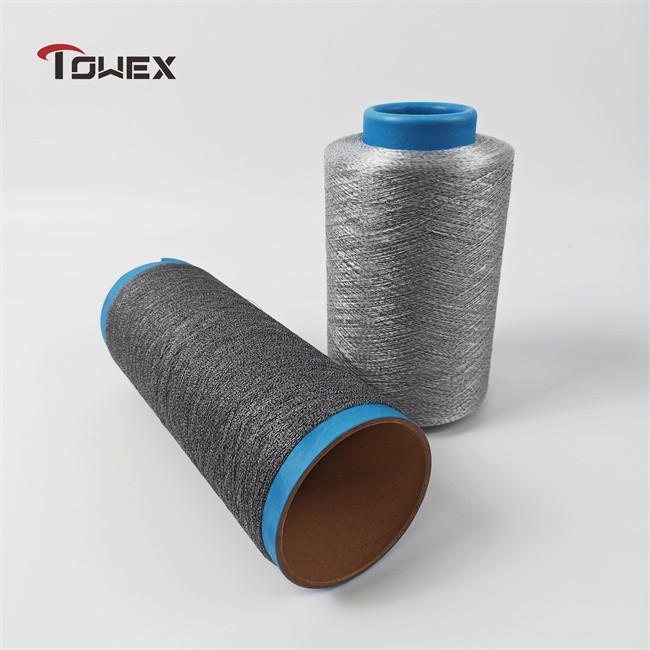
There are different types of plied twist, such as two-ply, three-ply, and four-ply, each with its own characteristics. Two-ply yarns are relatively flexible and are often used in applications where a combination of strength and flexibility is required, such as in lanyards or shoelaces. Three-ply and four-ply yarns are stronger and more rigid, making them suitable for heavy-duty applications like industrial ropes or safety harnesses.
If you're looking for industry solutions related to UHMWPE yarn, UHMWPE Yarn Industry Solutions can provide you with more information.
Cabling Twist
Cabling twist is a more complex twisting method that involves twisting multiple plied yarns together. This creates a highly structured and strong yarn. Cabling twist UHMWPE yarn is often used in applications where extremely high strength and durability are required, such as in aerospace or military applications.
The advantage of cabling twist yarn is its ability to distribute stress evenly across the yarn. The multiple layers of twisting and the combination of plied yarns create a structure that can withstand high tension and impact forces. For example, in aerospace applications, cabling twist UHMWPE yarn can be used in cables for aircraft control systems or in the construction of lightweight composite materials.
However, cabling twist yarn is more expensive to produce due to the complex manufacturing process. It also has a stiffer feel compared to other twist types, which may limit its use in applications where flexibility is a priority.
How to Choose the Right Twist for Your Application?
Choosing the right twist for your UHMWPE yarn depends on several factors, including the application requirements, strength needs, and budget.
If you need a yarn with good strength and flexibility, S-twist or two-ply yarn may be a good choice. For applications where abrasion resistance and tangling prevention are important, Z-twist yarn could be more suitable. If you require high strength and stability, plied twist or cabling twist yarns should be considered.
It's also important to consider the cost. Generally, more complex twist types like cabling twist are more expensive than simpler twist types like S-twist or Z-twist. You should balance your performance requirements with your budget to find the most cost-effective solution.
Conclusion
In conclusion, the different types of twists in UHMWPE yarn offer a wide range of properties and applications. Whether you need a flexible and smooth yarn for fishing lines, an abrasion-resistant yarn for industrial applications, or a high-strength yarn for aerospace use, there's a twist type that can meet your needs.
As a UHMWPE yarn supplier, I'm here to help you choose the right twist and denier for your specific application. If you're interested in learning more about UHMWPE yarn, you can visit UHMWPE Yarn. And if you're ready to start a purchase or discuss your requirements in more detail, don't hesitate to reach out. Let's work together to find the perfect UHMWPE yarn solution for your business.
References
- "Yarn Technology and Processing" by Ali S. Dadashian
- "High-Performance Fibers and Composites" edited by Rakesh Gupta