

What is the impact resistance of a student bulletproof backpack?
In today's uncertain world, the safety of our students is of utmost importance. As a supplier of Student Bulletproof Backpacks, I understand the concerns of parents, educators, and students themselves regarding the potential threats they may face. One of the key aspects that people often inquire about is the impact resistance of these backpacks. In this blog, I will delve into the concept of impact resistance, how it relates to student bulletproof backpacks, and what it means for the safety of our young ones.
Understanding Impact Resistance
Impact resistance refers to the ability of a material or an object to withstand the force of an impact without being damaged or penetrated. In the context of bulletproof backpacks, it is crucial because it determines how well the backpack can protect the wearer from ballistic threats such as bullets and shrapnel. When a bullet hits a bulletproof backpack, it transfers a significant amount of energy to the material. The impact resistance of the backpack's bulletproof panel is what allows it to absorb and disperse this energy, preventing the bullet from passing through and reaching the wearer.
The impact resistance of a student bulletproof backpack is typically measured by its ability to stop bullets of different calibers and velocities. This is often rated by organizations such as the National Institute of Justice (NIJ) in the United States. The NIJ has established a series of standards for bulletproof materials and products, including backpacks. These standards classify bulletproof products into different levels based on their ability to withstand specific types of ammunition.
NIJ Standards and Student Bulletproof Backpacks
The most common NIJ level for student bulletproof backpacks is Level IIIA. A NIJ IIIA Convertible Ballistic Backpack is designed to protect against most common handgun rounds, including 9mm, .40 S&W, and .45 ACP. This level of protection is considered sufficient for most civilian applications, especially in school settings where the likelihood of encountering high-powered rifles is relatively low.
The NIJ IIIA standard requires that a bulletproof material be able to stop multiple rounds of ammunition at close range without allowing the bullet to penetrate the material or cause excessive backface deformation. Backface deformation refers to the amount of material that is pushed back towards the wearer when a bullet hits the bulletproof panel. Excessive backface deformation can cause serious injuries, even if the bullet does not penetrate the material.
Factors Affecting Impact Resistance
Several factors can affect the impact resistance of a student bulletproof backpack. The first and most obvious factor is the quality of the bulletproof material used. High-quality materials such as Kevlar, Twaron, and Spectra are commonly used in bulletproof backpacks because they have excellent tensile strength and can absorb and disperse the energy of a bullet effectively.
The thickness and density of the bulletproof panel also play a crucial role in determining its impact resistance. Generally, thicker and denser panels offer better protection, but they also tend to be heavier. Manufacturers need to strike a balance between protection and weight to ensure that the backpack is comfortable for students to carry around all day.
Another factor that can affect impact resistance is the construction of the backpack. A well-constructed backpack with proper stitching and reinforcement can help distribute the force of an impact more evenly across the bulletproof panel, reducing the risk of localized damage and penetration.
Real-World Testing and Validation
To ensure the effectiveness of our student bulletproof backpacks, we conduct rigorous testing and validation processes. Our backpacks are tested in accordance with NIJ standards in independent laboratories to ensure that they meet or exceed the required performance criteria.
In addition to laboratory testing, we also conduct real-world simulations to evaluate the performance of our backpacks in actual scenarios. These simulations involve firing bullets at the backpacks from different angles and distances to simulate the conditions that a student may encounter in a shooting incident.
Other Types of Protective Backpacks
In addition to student bulletproof backpacks, we also offer a range of other protective backpacks and briefcases. For example, our Executive Ballistic Briefcase NIJ IIIA is designed for professionals who need to protect themselves while on the go. It offers the same level of protection as our student bulletproof backpacks but in a more stylish and professional package.
Our NIJ IIIA Tactical Ballistic Briefcase is another option for those who require a more rugged and durable protection solution. It is designed for tactical and military applications and features a reinforced construction and a variety of tactical features.
We also offer a Ballistic Backpack Knife Protection option for those who are concerned about knife attacks. This type of backpack is designed to protect against stabbing and slashing attacks and can provide an additional layer of security in high-risk environments.
Conclusion
The impact resistance of a student bulletproof backpack is a crucial factor in determining its effectiveness in protecting the wearer from ballistic threats. By understanding the NIJ standards, the factors that affect impact resistance, and the testing and validation processes, you can make an informed decision when choosing a bulletproof backpack for your student.
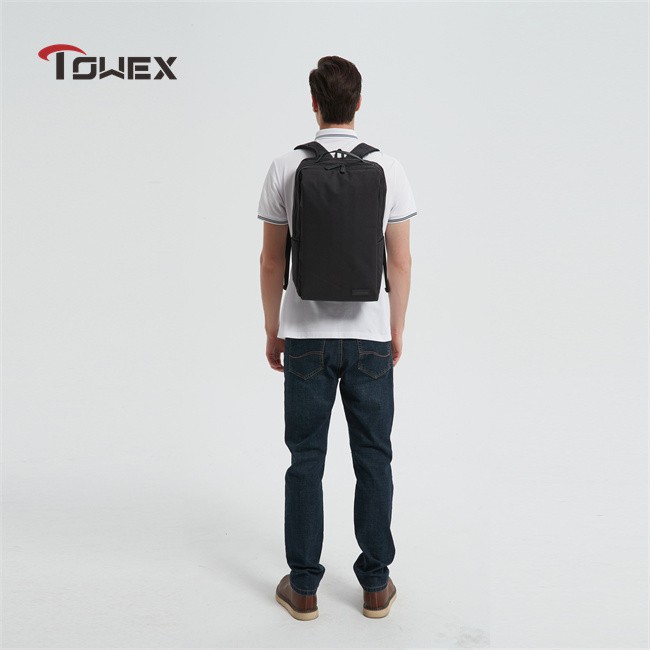
At our company, we are committed to providing high-quality, reliable, and effective student bulletproof backpacks and other protective products. Our products are designed to meet the highest standards of safety and performance, and we are constantly working to improve our technology and innovation to ensure that we are providing the best possible protection for our customers.
If you are interested in learning more about our Student Bulletproof Backpack or other protective products, please feel free to contact us for more information. We would be happy to answer any questions you may have and to discuss your specific needs and requirements. We look forward to working with you to ensure the safety of your students and loved ones.
References
National Institute of Justice. (Year). Ballistic Resistance of Personal Body Armor. Retrieved from [NIJ Official Website]
Bulletproof Materials Manufacturers' Technical Documentation. [Manufacturer Names]