

As a supplier of UHMWPE Woven Fabric, I often get asked about the weight per square meter of this amazing material. So, I thought I'd take a moment to share some insights on this topic.
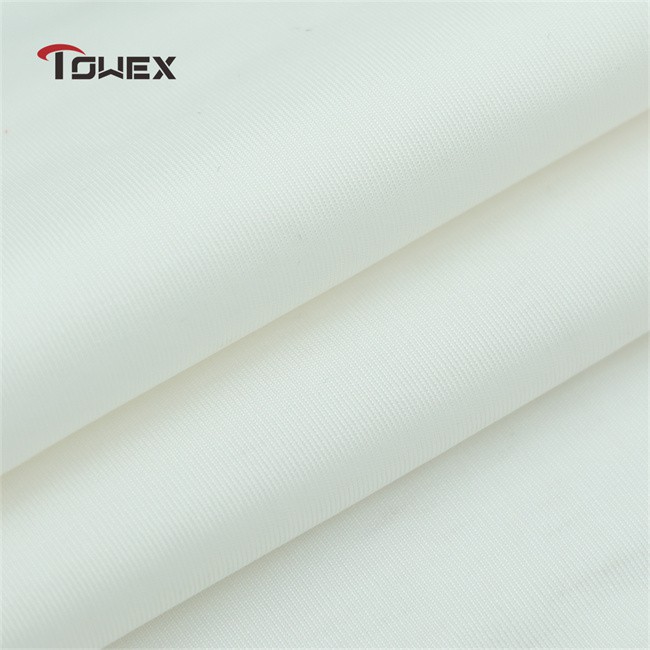
First off, let's talk a bit about UHMWPE. UHMWPE stands for Ultra-High Molecular Weight Polyethylene. It's a super-strong, lightweight, and highly durable material that's used in a wide range of applications, from protective gear to industrial components. UHMWPE Woven Fabric is made by weaving UHMWPE fibers together, creating a fabric that's not only tough but also flexible.
Now, the weight per square meter of UHMWPE Woven Fabric can vary quite a bit depending on several factors. One of the main factors is the density of the fabric. The density refers to how tightly the fibers are packed together. A higher density fabric will generally weigh more per square meter than a lower density one.
Another factor that affects the weight is the thickness of the fabric. Thicker fabrics will naturally weigh more than thinner ones. The type of weave used also plays a role. Different weaves can result in different weights, as some weaves are more compact than others.
Typically, the weight per square meter of UHMWPE Woven Fabric can range from around 100 grams per square meter (g/m²) to over 1000 g/m². For lighter applications, like making some types of lightweight protective clothing, a fabric with a weight of around 100 - 300 g/m² might be used. These lighter fabrics are great because they offer a good balance between protection and comfort.
On the other hand, for more heavy-duty applications, such as industrial conveyor belts or bulletproof vests, you might need a fabric with a much higher weight, say 500 - 1000 g/m² or even more. These heavier fabrics provide greater strength and durability, which is essential in these demanding applications.
Let's take a closer look at some of the common weights and their applications. A fabric with a weight of around 150 - 200 g/m² is often used in sports equipment, like knee pads or elbow pads. It offers decent protection while still allowing for a good range of motion.
If you're looking at using UHMWPE Woven Fabric for outdoor gear, like backpacks or tents, a fabric in the 200 - 300 g/m² range might be a good choice. It's lightweight enough to make the gear easy to carry, but still strong enough to withstand the rigors of the outdoors.
For applications where high strength is crucial, such as in the aerospace or automotive industries, fabrics with weights of 500 g/m² or more are often used. These fabrics can handle high stress and are resistant to wear and tear.
Now, when it comes to choosing the right weight per square meter for your specific application, it's important to consider a few things. First, think about the level of protection or strength you need. If you're making something that needs to be very tough, like a bulletproof vest, you'll want a heavier fabric. But if you're making something that needs to be lightweight and flexible, like a piece of athletic wear, a lighter fabric will be more suitable.
You also need to consider the cost. Generally, heavier fabrics cost more than lighter ones because they use more material. So, you'll need to find a balance between the performance you need and your budget.
As a supplier, I can offer a wide range of UHMWPE Woven Fabrics with different weights per square meter. Whether you're looking for a lightweight fabric for a consumer product or a heavy-duty fabric for an industrial application, I've got you covered.
If you're interested in learning more about UHMWPE Woven Fabric, or if you're thinking about using it in your project, feel free to reach out. I can provide you with samples so you can see and feel the different weights and qualities for yourself.
And if you're also curious about UHMWPE Knitted Fabric, I can give you some info on that too. It has its own unique properties and applications, and it might be a great alternative depending on what you're looking for.
In conclusion, the weight per square meter of UHMWPE Woven Fabric is an important factor to consider when choosing the right fabric for your project. By understanding the different weights and their applications, you can make an informed decision that meets your specific needs. So, don't hesitate to get in touch if you have any questions or if you're ready to start a project with UHMWPE Woven Fabric. I'm here to help you every step of the way.
References:
- General knowledge about UHMWPE materials and their applications in the industry.
- Experience from working with UHMWPE Woven Fabric as a supplier.
Our MSc-led R&D team can customize fabrics based on your washing requirements. Contact us at sales@towex.com for details.